
info@progips.com


The psychological appeal of casino games is profound and multi-faceted. Many individuals are attracted to the thrill of risk-taking, the chance of winning big, and the overall excitement that casinos offer. The environment of a casino is carefully crafted to stimulate the senses, featuring bright lights, engaging sounds, and vibrant colors that create an exhilarating atmosphere. This sensory overload can significantly heighten emotions, making players more susceptible to the allure of gambling. Additionally, some players may explore uk betting sites not on gamstop to enhance their gaming experience further.
Moreover, the social aspect of casinos cannot be overlooked. For many, gambling is not just about the games themselves but also about the community and camaraderie that develops among players. Whether it’s cheering for a friend at the blackjack table or celebrating a jackpot win, these social interactions enhance the overall experience and encourage individuals to return.
Cognitive biases play a critical role in how players perceive risk and reward in casino games. For instance, the “gambler’s fallacy” leads individuals to believe that past outcomes can influence future events, causing them to make irrational betting decisions. This fallacy can lead players to continue gambling in hopes of recouping losses, even when the odds are stacked against them.
Additionally, the concept of “near misses” can create a compelling psychological effect. When players experience an almost-win, it can trigger feelings of excitement and encourage them to keep playing, as they believe they are close to hitting the jackpot. This cognitive dissonance reinforces the cycle of gambling, drawing players back in time and again.
Casino games are designed with intricate reward systems that leverage psychological principles to keep players engaged. These games often use variable reinforcement schedules, where rewards are given unpredictably, creating a sense of excitement and anticipation. This unpredictability means that players remain engaged, always hoping for that next big win.
In addition, many casinos offer loyalty programs and incentives that further entice players. These rewards can create a sense of belonging and investment, making players feel valued while encouraging them to spend more time and money within the casino. The psychological impact of these incentives is significant, as they reinforce positive feelings associated with gambling experiences.
The emotional journey of gambling is often akin to a rollercoaster ride, filled with highs and lows that can significantly affect a player’s mental state. Winning can lead to feelings of euphoria and increased self-esteem, while losing can result in disappointment and frustration. This emotional fluctuation is integral to the gambling experience and can dictate players’ continued engagement with the games.
Moreover, the emotional consequences of gambling can lead to problematic behaviors. For some, the desire to chase losses can create a cycle of gambling that becomes difficult to break. Understanding these emotional triggers is crucial for both players and those seeking to help them navigate the complexities of gambling psychology.
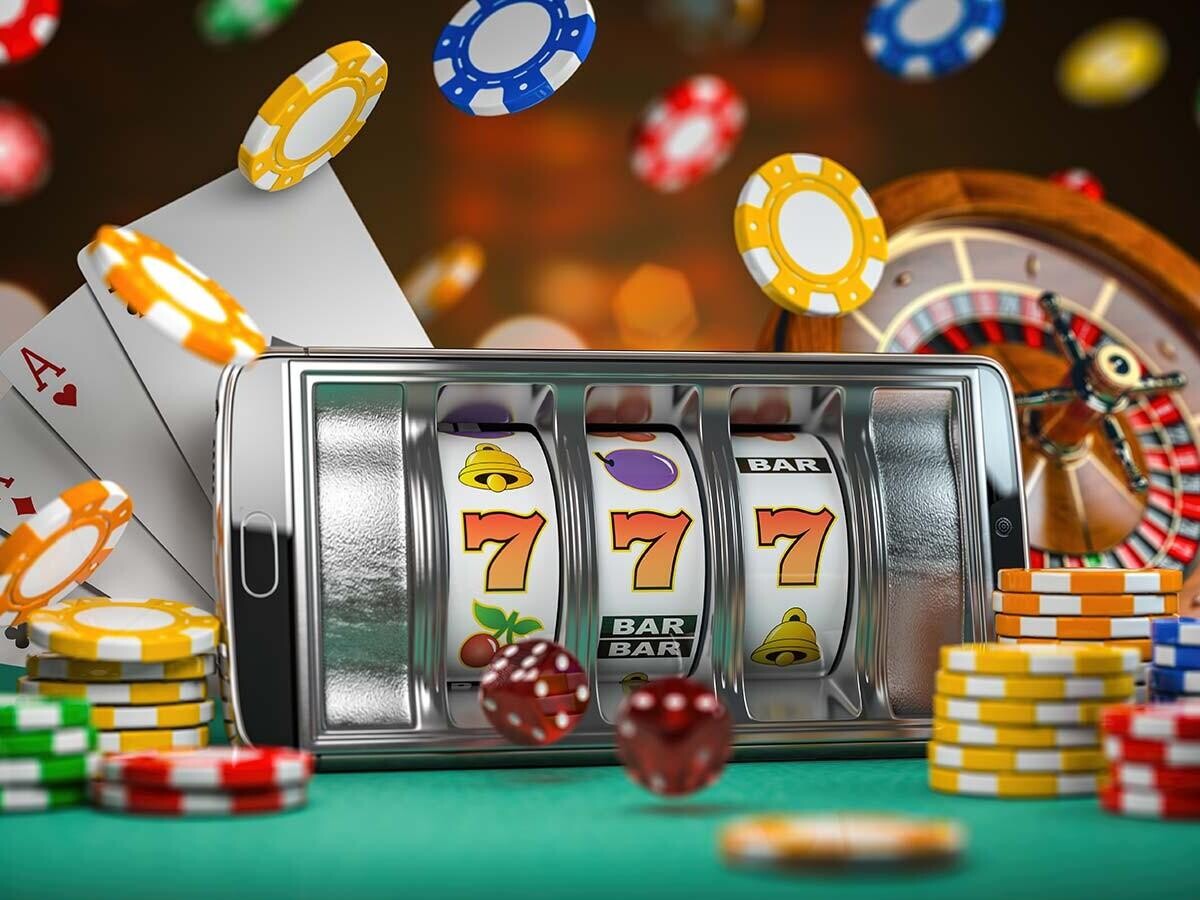
The digital revolution has transformed the gambling industry, particularly with the rise of online casinos. Players now have access to a vast array of games from the comfort of their homes, which changes the psychological dynamics of gambling. Online platforms can provide a sense of anonymity, allowing individuals to gamble without the social pressures associated with traditional casinos.
However, this accessibility also raises concerns about responsible gambling. Online casinos often use sophisticated algorithms and data analytics to tailor experiences to individual players, which can enhance engagement but also lead to increased risks of addiction. As we dive deeper into the psychology of casino games, understanding the impact of online gambling is essential for both players and industry stakeholders.